Why do we light a lamp on Diwali, and whom are we really waiting to welcome? When a small flame glows in the evening, something tender and beautiful awakens within the heart, as though it were an invitation for a beloved to come home. At ISKCON Bhiwandi, we are happy to share that the beloved is the Supreme Lord, Sri Krishna, and every lamp we light is a love letter offered at His lotus feet. Its soft radiance dispels darkness and awakens feelings of devotion, remembrance, and divine longing.
Diwali 2026 falls on Sunday, 8 November, on the new moon night of Kartik Amavasya. The celebrations begin with Govatsa Dwadashi on 5 November and close with Bhai Dooj on 10 November. Dates can shift by a day depending on your city, so please check our festivals page for the latest schedule.
Diwali 2026 Date
Diwali 2026 falls on Sunday, 8 November 2026 (Kartik Amavasya). The five-day festival runs from Dhanteras on Friday, 6 November to Bhai Dooj on Tuesday, 10 November. In the ISKCON tradition, Govatsa Dwadashi on 5 November opens the celebrations. Dates can shift by a day depending on your city, so confirm with your local temple calendar.
5 Days of Diwali and Their Significance
Diwali is celebrated over five days, each with its own meaning. ISKCON temples add one more observance at the start.
Govatsa Dwadashi (5 November)
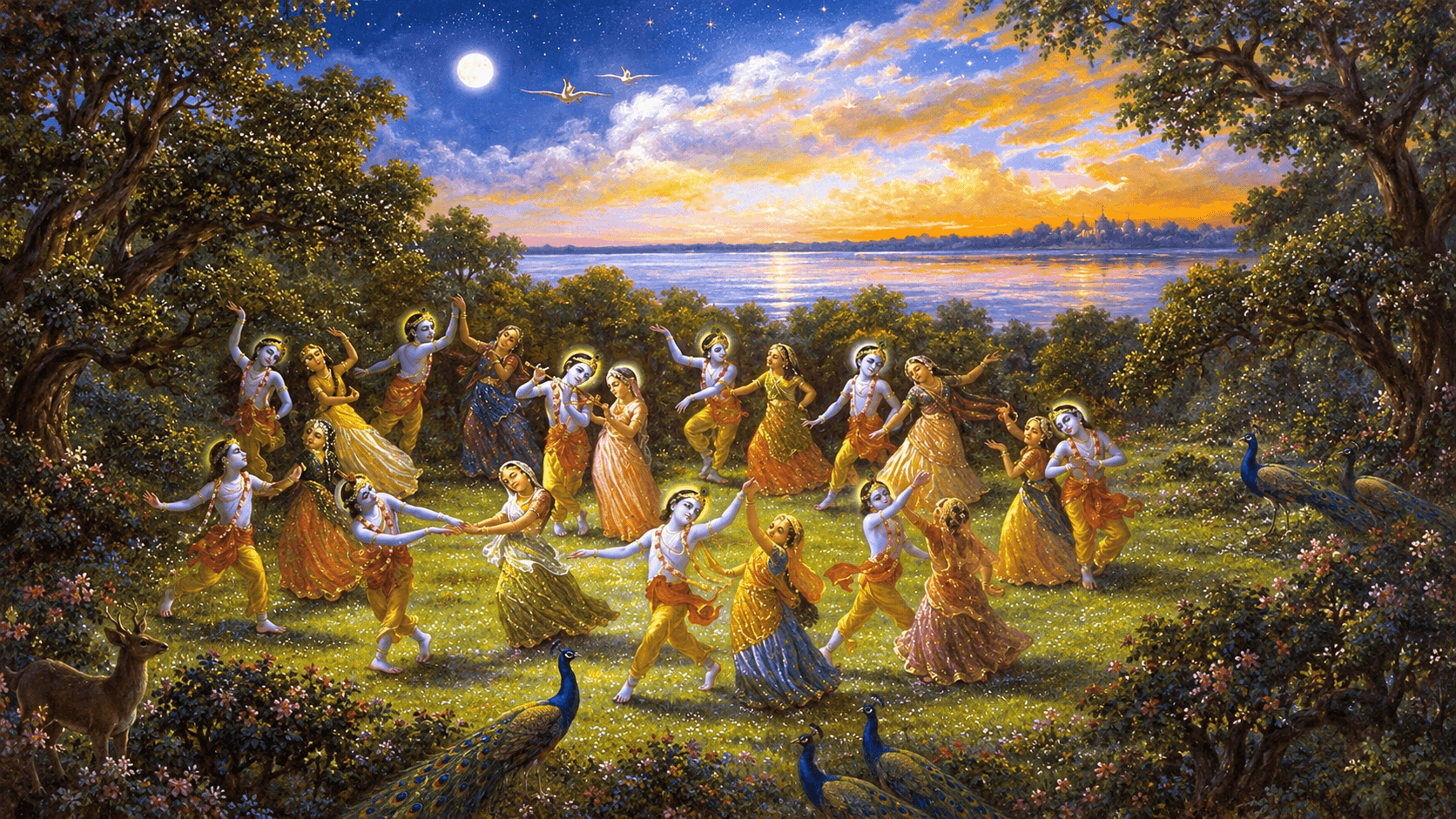
Govatsa Dwadashi falls the day before Dhanteras. Devotees honour cows and calves, recalling Krishna's life as a cowherd boy in Vrindavan. Cows are bathed, garlanded, and fed with care.
Dhanteras (6 November)
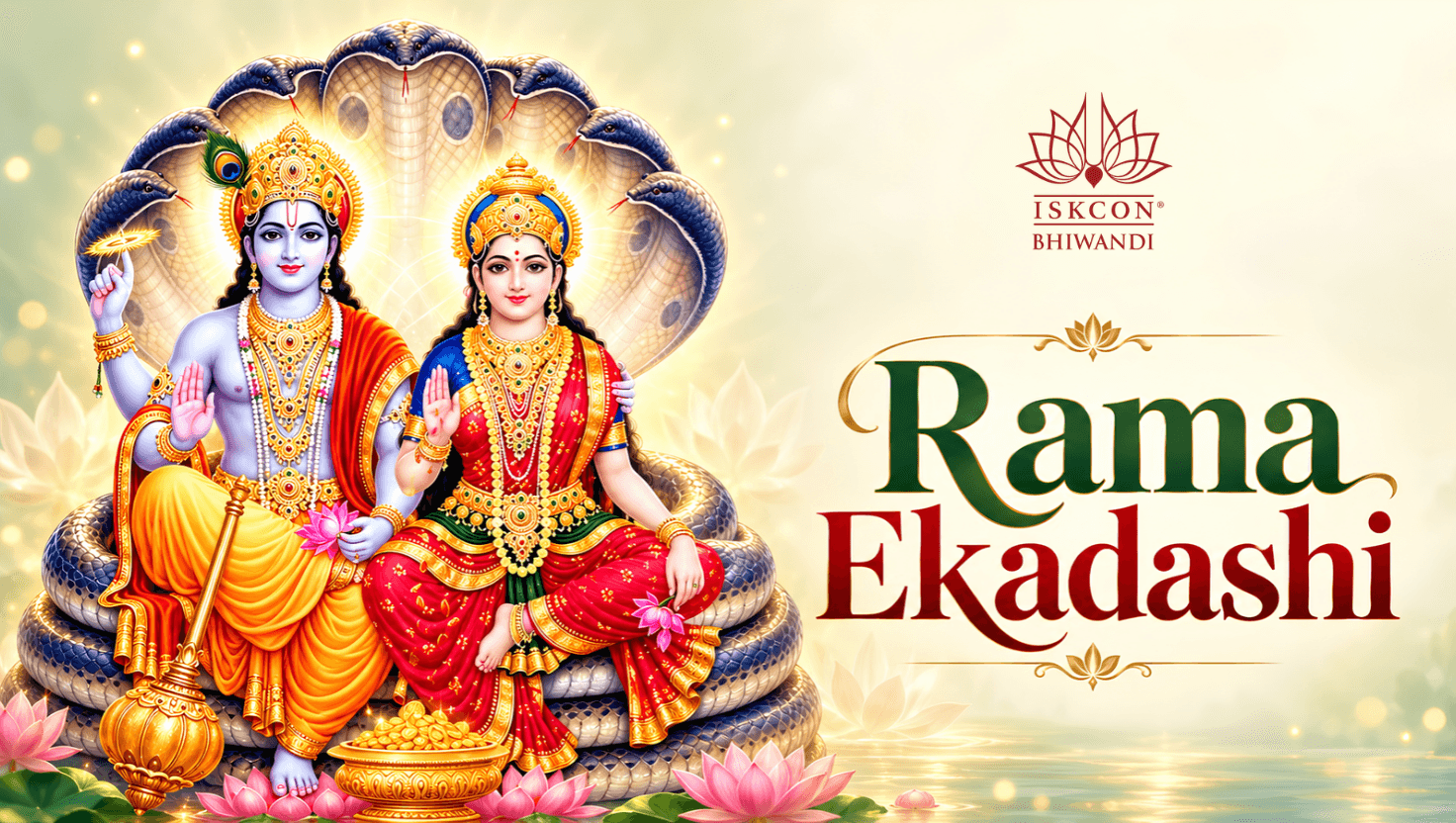
Dhanteras is linked with Lakshmi and with Dhanvantari, the physician of the gods, who appeared during the churning of the ocean holding a pot of nectar. Many people buy metal utensils or gold today. Devotees remember that the best use of wealth is service to the Lord, and many choose to donate to a temple or begin regular seva through Nitya Seva on this day.
Naraka Chaturdashi (7 November)
Also called Choti Diwali, this day commemorates Krishna's victory over the demon Narakasura, who had imprisoned thousands of women. Krishna defeated him and freed the captives. Devotees rise before sunrise, take an oil bath, and light lamps.
Diwali: Rama's Return & Damodar Lila (8 November)
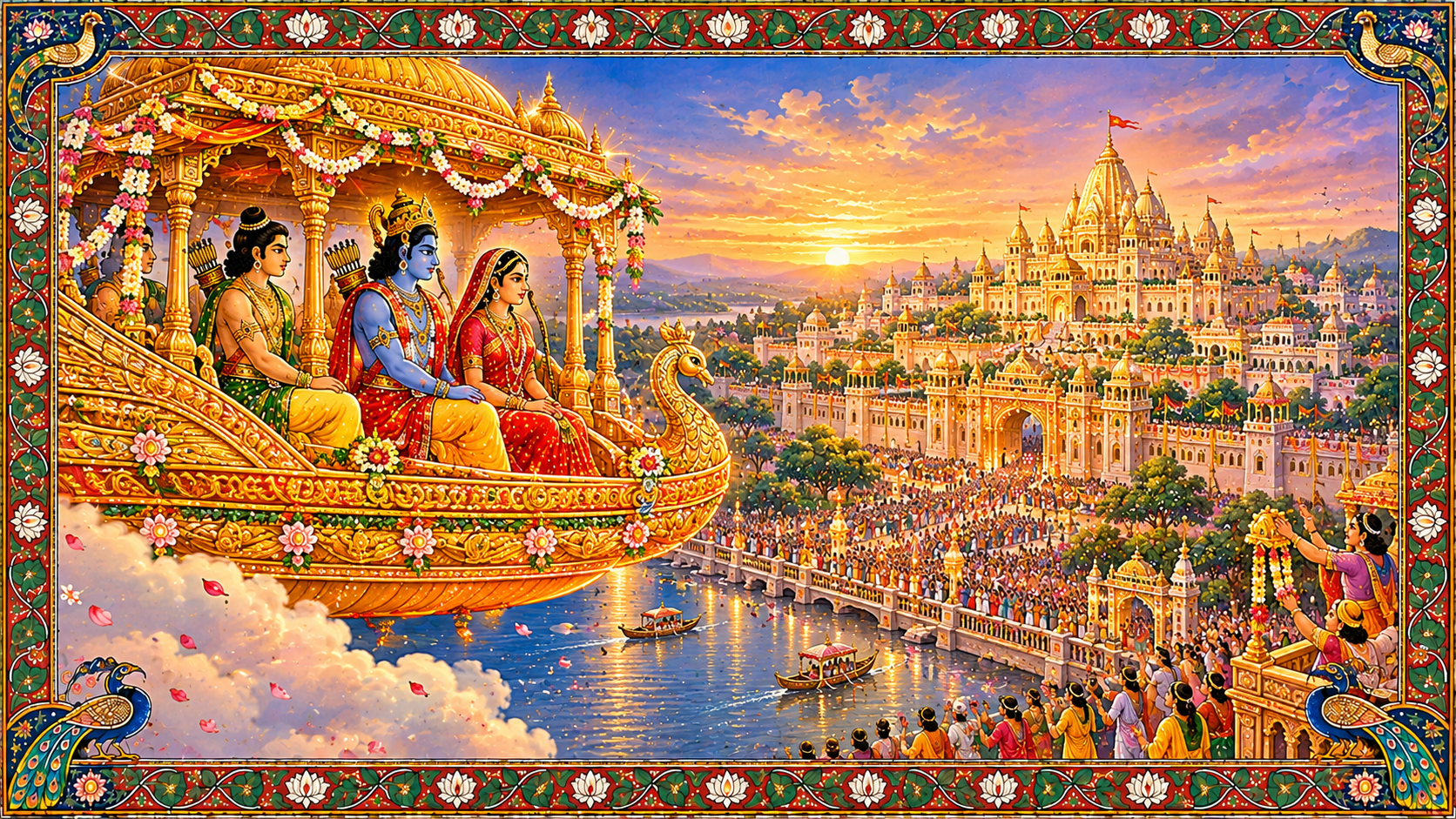
On the new moon, lamps are lit everywhere. The Ramayana describes how the people of Ayodhya welcomed Lord Rama, Sita, and Lakshmana home after fourteen years of exile and the defeat of Ravana. Many homes also perform Lakshmi Puja this evening.
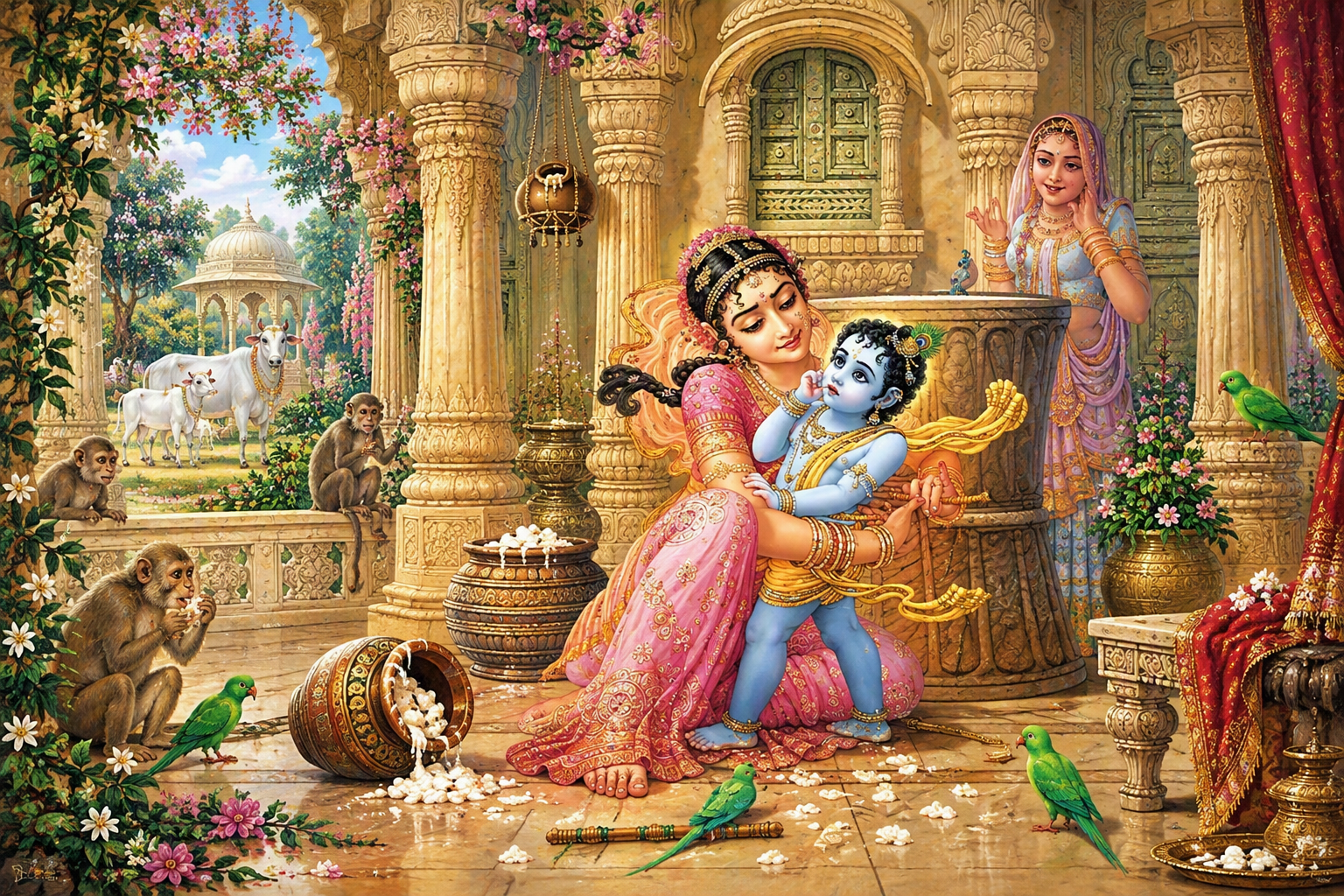
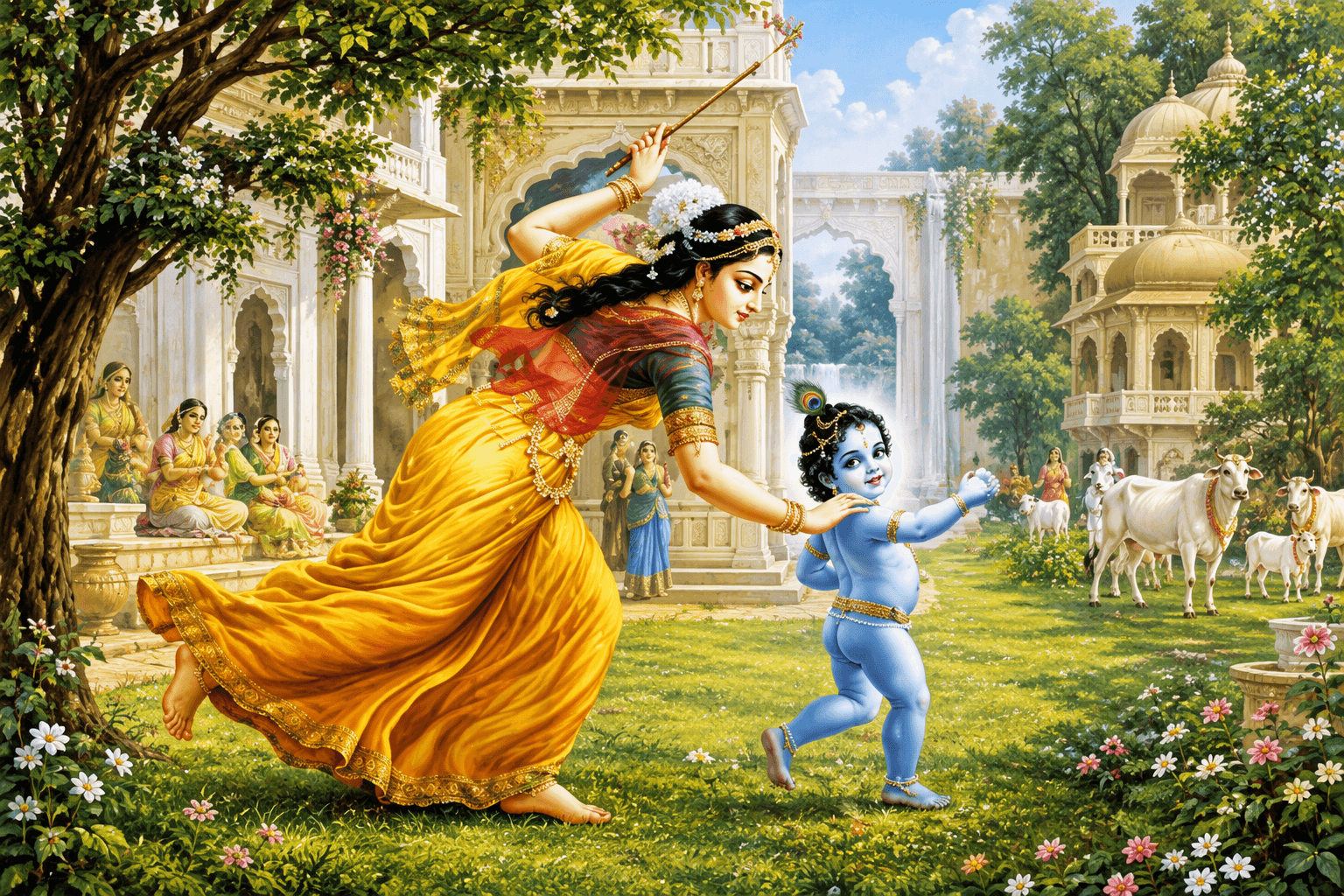
In Krishna consciousness, Kartik is also Damodar month. Diwali connects to Damodar Lila, in which Mother Yashoda tied baby Krishna to a wooden mortar with a rope after he broke a pot of butter. The Lord allowed Himself to be bound by her love. Devotees offer a lamp to Lord Damodara every day of Kartik, and Diwali night marks the peak of this offering.
Govardhan Puja (9 November)
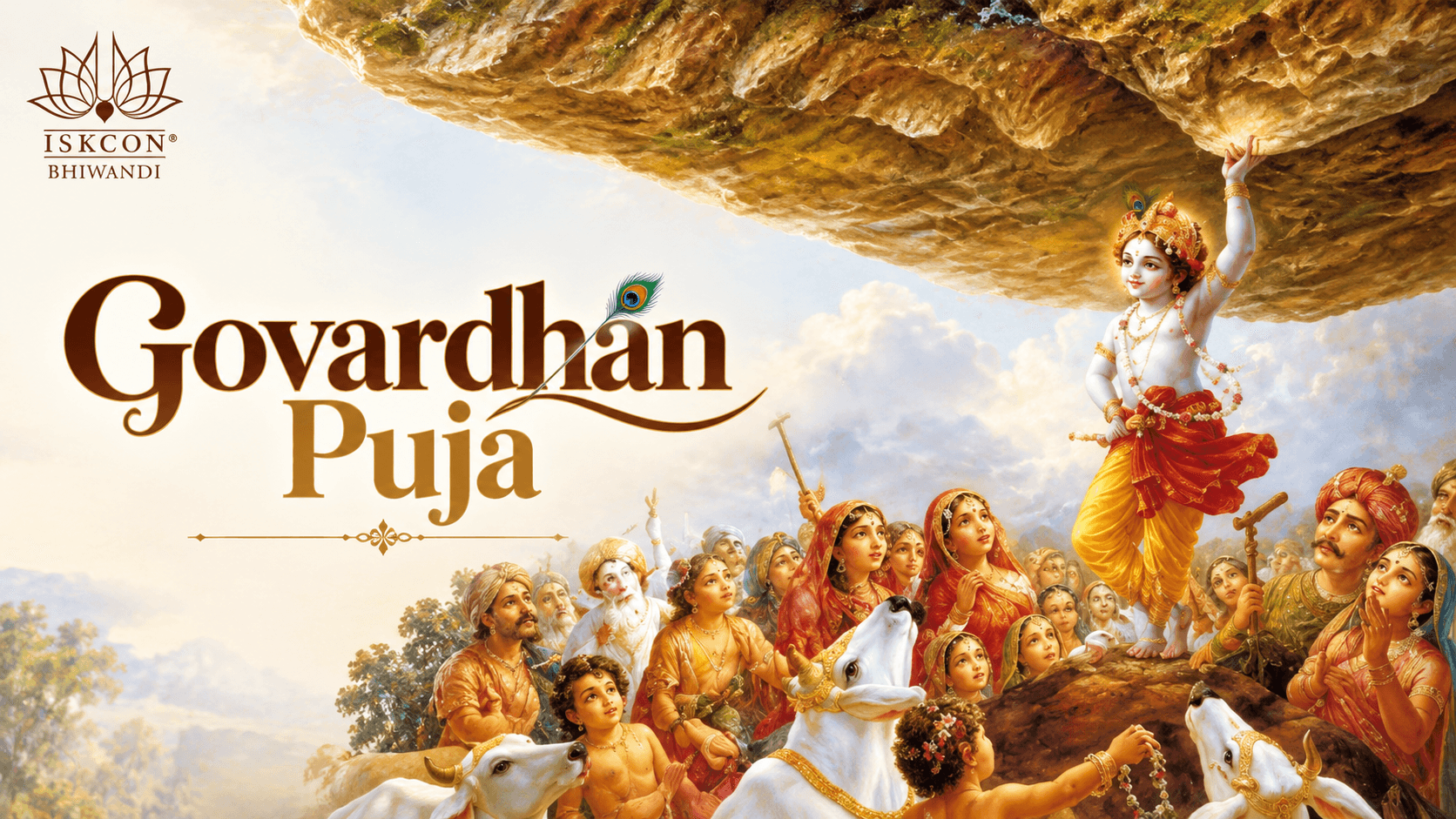
Devotees remember Krishna lifting Govardhan Hill on His little finger to shelter Vrindavan's residents from torrential rain sent by Indra. Temples prepare a large food offering called Annakut. Many devotees also take part in annadaan, sponsoring food offered to the Lord and distributed as prasadam. The pastime teaches that surrender to Krishna is the surest protection.
Bhai Dooj (10 November)
The festival closes with Bhai Dooj, which celebrates the bond between brothers and sisters. According to tradition, Yamaraja visited his sister Yamuna on this day, and she welcomed him with a tilak and a meal. Sisters apply tilak to their brothers and pray for their long life, and brothers give gifts in return.
Why is Diwali Celebrated?
Different traditions give different reasons. The most widely told story is Rama's return to Ayodhya. Others recall Krishna's defeat of Narakasura, Lakshmi's appearance during the churning of the ocean, and Krishna's Damodar Lila. Despite the variety, the theme is the same: light overcomes darkness, and devotion overcomes ignorance.
Diwali History
Diwali is one of the oldest festivals in India. Ancient texts such as the Skanda Purana and the Padma Purana mention lighting lamps in the month of Kartik. The Padma Purana glorifies the month of Kartik and declares that the offering of a lamp to Lord Damodara during this holy month is especially pleasing to Him. Over the centuries, the festival spread across the subcontinent and beyond. Jains and Sikhs also observe it, each with their own historical associations.
Significance of Diwali in Krishna Consciousness
In Krishna consciousness, Diwali is a chance to turn outward celebration into inner reflection. The lamp represents knowledge removing ignorance. His Divine Grace A.C. Bhaktivedanta Swami Prabhupada, the Founder Acharya of ISKCON, taught that every festival's purpose is to help us remember Krishna. Simple ways to observe Diwali in this spirit include:
-
Offering a ghee lamp to Lord Damodara each evening.
-
Chanting the Hare Krishna maha-mantra with family.
-
Reading from the Bhagavad-gita or the Ramayana.
-
Offering sweets to the Lord and sharing the prasadam with neighbours.
Diwali 2026 at ISKCON Bhiwandi
Devotees and families are welcome to celebrate Diwali at ISKCON Bhiwandi through lamp offerings, kirtan, darshan, and prasadam. Programme timings will be confirmed closer to the festival, so please check the latest schedule on the ISKCON Bhiwandi website.
FAQs
What is the difference between Diwali and Deepavali?
There is no difference in meaning. Deepavali is the Sanskrit name, common in South India, and Diwali is the shortened form used in the North. Both refer to the festival of lights.
Why do we light lamps on Diwali?
Lamps symbolise light's victory over darkness and invite auspiciousness into the home. For devotees, a lamp is also an offering of love to the Lord.
Is Diwali celebrated for five days or six days in ISKCON?
The traditional festival lasts five days, from Dhanteras to Bhai Dooj. Many ISKCON temples also observe Govatsa Dwadashi the day before, making it a six-day celebration.
Why is Diwali celebrated on Amavasya?
Amavasya, the new moon night, is the darkest night of the lunar month, making the radiance of lamps shine all the more brilliantly. It is also the sacred night when the residents of Ayodhya illuminated the city with countless lamps to welcome Lord Rama upon His return after fourteen years of exile.