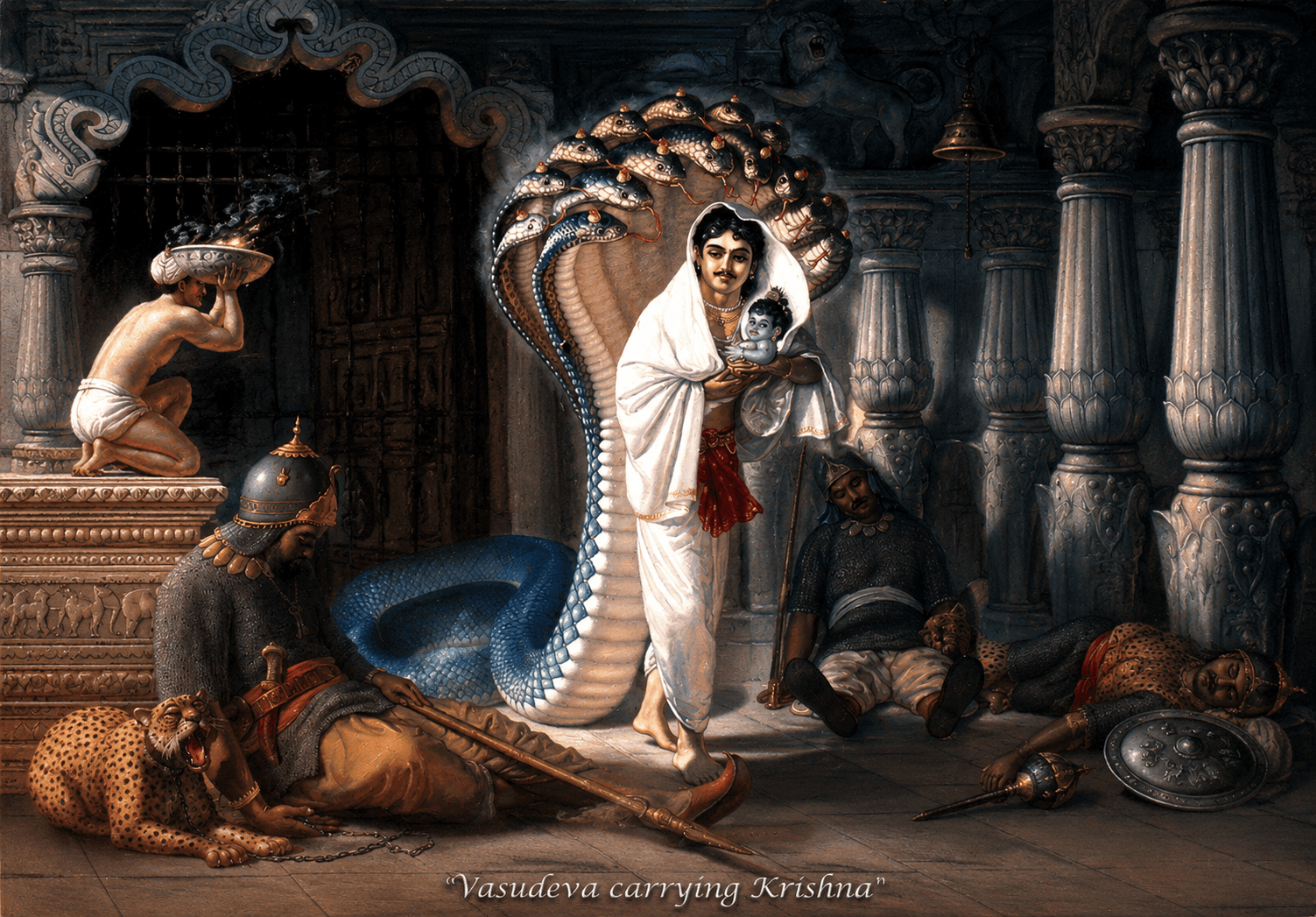
Janmashtami is a day of celebration, and for many devotees, fasting is a big part of it. It’s their conscious decision to simplify food and turn their attention towards Krishna. As midnight approaches, the anticipation grows. There is kirtan, Krishna-katha, temple service, and the joy of waiting to welcome the Lord on His appearance day.
Food naturally becomes a smaller part of the day.
That is the spirit behind Janmashtami vrat food. The purpose is not to find clever substitutes for every regular meal or spend the entire day thinking about what can be eaten next. Fasting is an aid to devotional life.
For someone observing the vrat for the first time, though, practical questions are completely natural. What to eat on Janmashtami fast? Is sabudana allowed? Can I have milk? What about salt? Can I eat rajgira?
This guide brings those questions together, with a practical Janmashtami fasting food list and simple ideas for preparing, managing and breaking the fast while keeping its devotional purpose in mind.
Understanding the rules behind Vrat food choices
The first thing to understand is that Janmashtami fasting is not simply a diet where ordinary foods are replaced with special “fasting foods”.
The idea is to voluntarily reduce bodily demands and spend more time remembering Krishna.
The exact way a devotee observes the fast can vary. Some may take no food or water, while others may need fruits, milk, or other simple preparations.
This is an important distinction. A devotee should not turn fasting into a competition.
The goal is to become more absorbed in Krishna.
Approved foods list: What to eat?
If you are not observing a complete fast, keep your Janmashtami vrat food simple. The idea is to eat enough to maintain the body while avoiding unnecessary indulgence.
Fruits, dairy products, and nuts are commonly used for a lighter fast. Fresh fruit is particularly convenient because it requires little preparation and can be taken in small quantities during the day.
Fruits, Dairy & Nuts
A simple Janmashtami fasting food list can include:
- Bananas, apples, papaya, pomegranate and other fresh fruits.
- Fresh coconut and coconut water.
- Milk.
- Yoghurt or homemade curd, where permitted by your observance.
- Paneer.
- Almonds, walnuts and cashews.
- Raisins, dates and other dry fruits.
- Makhana, also known as fox nuts.
These foods can be combined into simple preparations rather than elaborate meals. For example, a bowl of fruit with a little yoghurt can be more than enough for someone following a light fast.
The important point is to avoid turning vrat food into an excuse for constant snacking. A packet of heavily processed “fasting chips” may technically be marketed for vrat, but it does not necessarily reflect the simplicity that the observance is meant to encourage.
Vrat-Friendly flours & grains: Singhara and Rajgira
For devotees who are following a partial fast and whose local observance permits them, ingredients such as singhara atta and rajgira can be used to prepare filling meals.
Singhara, or water chestnut flour, is commonly used in Indian vrat preparations. It can be made into simple rotis, pancakes, or other preparations.
Rajgira, also known as amaranth, is another popular ingredient in fasting cuisine. It can be cooked into a light rajgira khichdi or used as flour for rotis and other preparations.
However, it is worth checking the ingredients rather than assuming that everything labelled “vrat” is automatically appropriate. Packaged fasting foods can contain additives or ingredients that may not fit the particular observance you are following.
For ISKCON devotees, the safest approach is simple: follow the guidance of your local temple and spiritual mentors, prepare food cleanly and lovingly, and offer it to Krishna before honouring it as prasadam.
Foods to avoid during Vrat
Knowing what not to eat is just as important as knowing what to eat on Janmashtami fast. The simplest way to approach it is to avoid regular meals and ingredients that are not part of the particular fasting observance you are following.
For many devotees, this means staying away from grains, pulses, and certain everyday ingredients while choosing simpler foods such as fruits, dairy, nuts, and vrat-friendly preparations.
There is an important point here, though. Not every food labelled “vrat-friendly” online should automatically be treated as an ISKCON rule. Different Hindu traditions follow different fasting customs. If you are observing Janmashtami through your local ISKCON temple, follow its published guidance for the year.
Grains, regular salt, onion & garlic
Rice, wheat, barley, oats and other conventional grains are generally avoided during fasting observances. Pulses and beans are also commonly excluded.
That means familiar foods such as roti, chapati, rice, dal, bread and regular biscuits do not belong on a typical Janmashtami fasting food list.
Many vrat traditions also replace ordinary table salt with sendha namak, or rock salt. If you are following this practice, use plain sendha namak rather than flavoured or heavily processed salt mixes.
Onion and garlic are also avoided in the sattvic cooking followed by ISKCON devotees. Meat, fish, eggs and intoxicants have no place in Krishna conscious cooking either.
One thing worth remembering is that fasting does not mean finding loopholes. A bowl of packaged “fasting snacks” may technically avoid grains while still being highly processed and unnecessarily heavy. Simple, freshly prepared food is usually the better choice.
And whatever you prepare, offer it to Krishna before eating. That changes the experience completely. You are not simply having a fasting meal. You are honouring prasadam.
Popular Vrat recipes
If you are following a partial fast, there is no need to make complicated dishes. A few familiar Indian preparations can make the day easier while keeping meals simple.
Two particularly popular options for fasting are sabudana khichdi and rajgira khichdi.
Sabudana Khichdi
There is a reason fasting sabudana khichdi appears on so many Indian vrat menus. It is simple, filling, and requires ingredients that are simple and commonly available. Sabudana is tapioca starch, and the pearls are typically soaked before cooking. Recipes commonly pair them with roasted peanuts, ghee, and rock salt.
Simple Sabudana Khichdi for Fast
Serves: 2
Ingredients
- 1 cup sabudana.
- 1/2 cup roasted peanuts, coarsely crushed.
- 1 medium potato, boiled and diced, if permitted in your observance.
- 1 to 2 tbsp ghee.
- 1 tsp cumin seeds.
- 1 or 2 green chillies, finely chopped.
- Sendha namak to taste.
- 1 tsp lemon juice.
- Fresh coriander, if permitted.
Method
- Wash the sabudana several times until the water is reasonably clear.
- Soak it with just enough water to soften the pearls. Depending on the variety, this may take several hours, so preparing it the night before is often easiest.
- Drain it thoroughly. This is the little step that makes a big difference. Excess water can leave the khichdi sticky and clumpy.
- Mix the drained sabudana with crushed roasted peanuts and sendha namak.
- Heat ghee in a pan. Add cumin seeds and chopped green chilli.
- Add the potato, if using, and sauté briefly.
- Add the sabudana mixture and cook gently, stirring occasionally, until the pearls become translucent.
- Finish with lemon juice and fresh coriander if these fit your observance.
- Before eating, offer the preparation to Lord Krishna with devotion.
A light preparation is usually preferable to making the khichdi excessively spicy or oily. Remember, the purpose of Janmashtami vrat food is to support the observance, not turn the fast into a feast.
Rajgira Khichdi
Rajgira khichdi is another useful option for devotees following a partial fast and using rajgira as part of their local vrat practice.
Rajgira, or amaranth, can be cooked with potatoes and mild spices to make a warm and satisfying dish. Unlike rice-based khichdi, this version uses rajgira, making it suitable for fasting traditions that permit the ingredient.
Simple Rajgira Khichdi
Serves: 2
Ingredients
· 1 cup rajgira, rinsed.
· 1 medium potato, peeled and diced.
· 1 tbsp ghee.
· 1 tsp cumin seeds.
· 1 green chilli, finely chopped.
· Sendha namak to taste.
· 2 to 2 1/2 cups of water.
· Fresh coriander, if permitted.
Method
- Rinse the rajgira thoroughly.
- Heat ghee in a small pressure cooker or heavy-bottomed pan.
- Add cumin seeds and green chilli.
- Add the diced potato and sauté for a couple of minutes.
- Add the rinsed rajgira and mix gently.
- Pour in the water and add sendha namak.
- Cover and cook until the rajgira is soft and the mixture has a khichdi-like consistency.
- Let it rest for a few minutes before serving.
- Offer it to Krishna before honouring it as prasadam.
If your local ISKCON temple follows a stricter Janmashtami observance that does not include these ingredients, do not treat these recipes as mandatory. They are practical options for devotees who are following a partial fast under appropriate guidance.
Tips to avoid fatigue & acidity while fasting
A Janmashtami fast should help you turn your attention towards Krishna, not leave you so uncomfortable that you spend the entire day thinking about food.
This is particularly important if you are observing the vrat for the first time. A person who normally eats three full meals and suddenly attempts a very strict fast may feel tired, dizzy or uncomfortable. Those with existing health conditions, people taking regular medication, pregnant or breastfeeding women, older adults and young children should be especially careful and seek appropriate medical advice before undertaking a strict fast.
If you begin feeling unwell during a fast, do not treat discomfort as a test of devotion. The purpose of Janmashtami vrat food is to support devotional practice. If your body needs nourishment or fluids, respond to it sensibly.
Smart snacking every 3 to 4 hours
If you are following a partial fast rather than a complete fast, small and simple portions can be easier to manage than one large meal.
For example, instead of having a heavy plate of fasting food at one time, you might have some fruit earlier in the day, a few nuts later, and a light preparation such as sabudana khichdi for the fast closer to lunchtime, if these foods are permitted in your observance.
There is no spiritual advantage in eating more than you need simply because a food is considered “allowed”.
Try to keep portions modest and choose freshly prepared foods. Fruits, milk, yoghurt, nuts, coconut water and other permitted foods can provide variety without turning the fast into a series of elaborate meals.
It is also worth remembering that hunger and thirst are not signs that you have failed spiritually. If a strict fast makes you unable to chant, hear Krishna-katha or participate in seva, a more moderate observance may be more appropriate for your circumstances.
The focus should remain on Krishna.
Staying hydrated the wight Way
If your chosen observance permits water and other fluids, make hydration a priority throughout the day.
Water, coconut water and other simple permitted drinks can be useful choices. Avoid drinking large quantities all at once if that makes you uncomfortable. Instead, take sensible amounts at intervals.
Dehydration can cause symptoms such as thirst, dark-coloured urine, tiredness, dizziness and reduced urination.
If you are observing a Nirjala fast, remember that this is a much stricter form of vrata. It should not be attempted casually, particularly by anyone with a medical condition to avoid dehydration. If you become significantly dizzy, confused, extremely weak or otherwise unwell, seek medical help rather than trying to push through the fast. Severe dehydration can require urgent medical treatment.
What about acidity?
Some people experience acidity or stomach discomfort when their usual eating pattern changes. Very spicy, fried or excessively rich vrat preparations can make this worse.
Keep your Janmashtami fasting food list simple. Choose freshly prepared foods, avoid excessively oily preparations, and do not compensate for fasting by eating a very large meal whenever you do eat.
If you regularly experience acidity, have a digestive condition or take medication for it, speak to a healthcare professional about how to modify your fasting practice safely.
A vrata is a voluntary devotional practice. It should never become a reason to ignore genuine health needs.
How to Break the Fast (Parana) safely?
After spending the day in Janmashtami fasting, it can be tempting to rush towards a large meal as soon as the fasting period ends. Janmashtami fast is to be broken in the midnight.
Before eating, offer the food to Lord Krishna. The meal then becomes prasadam, and devotees honour it with gratitude.
What should you eat first?
After a longer fast, start with something light rather than immediately reaching for a rich or heavily spiced meal. Ideally start with a liquid, a warm one such as warm water, lentil soup or similar.
Once you have relaxed your stomach enough to eat solids, choose something light to digest, such as:
- Fresh fruit.
- Coconut water.
- A small amount of milk or yoghurt.
- Lightly prepared vegetables.
- A simple khichdi.
- Freshly prepared prasadam from the temple.
Eat slowly and give your body time to adjust. There is no need to make up for every meal you skipped.
The purpose of Parana is to properly complete the vrata and return gradually to normal eating, while carrying the devotional mood of Janmashtami into the next day.
Frequently Asked Questions
1. Is table salt allowed, or only sendha namak?
Many Indian fasting traditions use sendha namak, or rock salt, instead of ordinary table salt.
If you are following this convention, choose plain sendha namak and check packaged foods carefully because some seasoning mixes marketed as “fasting” products may contain other ingredients.
However, fasting practices can differ between traditions. For an ISKCON Janmashtami observance, follow the specific instructions given by your local temple or spiritual authority.
The same principle applies to ingredients such as sabudana, rajgira, singhara flour and potatoes. Rather than assuming that every ingredient found on a generic Janmashtami fasting food list is automatically permitted, check the observance you are following.
2. What should I eat first to break the fast safely?
When the prescribed Parana time arrives, begin gently.
Fresh fruit, coconut water, milk, yoghurt or a light preparation can be suitable choices for someone following a partial fast, depending on their dietary needs and the observance they have followed.
After a longer fast, avoid immediately eating a very large, oily or heavily spiced meal. Take your time, eat moderately and allow your body to adjust.
Most importantly, the food should first be offered to Krishna. Once offered, devotees honour it as prasadam.
If you have been observing a particularly strict fast or have a medical condition, medication requirement or history of blood sugar problems, seek appropriate medical guidance about how to break your fast safely.
Conclusion
A good Janmashtami vrat food guide can tell you whether to choose fruit, milk, sabudana or rajgira. But the deeper purpose of the vrat cannot be found on a food list.
Janmashtami is the day devotees celebrate the appearance of Lord Krishna. Fasting is one way of making the day different from an ordinary day. By simplifying food, reducing distractions and spending more time chanting, hearing and serving, devotees create more space for Krishna in their lives.
So, if you are wondering what to eat on Janmashtami fast, keep the answer simple.
Eat according to the observance you are following. Choose fresh and suitable foods when food is permitted. Avoid unnecessary indulgence. Offer everything to Krishna before eating. And, above all, do not let the search for the perfect fasting menu become more important than the reason you are fasting.
A bowl of fruit offered with devotion can be more meaningful than an elaborate fasting feast prepared without remembrance of Krishna.
Whether your choice is fasting sabudana khichdi, rajgira khichdi, fresh fruit or a complete fast, let the day be filled with chanting, Krishna-katha, seva and the association of devotees.
That is what makes Janmashtami special.