Few stories stir the heart quite like the tale of a devoted, exiled prince who, through unwavering righteousness and love, triumphs over the mightiest of demon kings. Vijayadashami, the joyous tenth day that concludes Navaratri, invites every devotee to relive this timeless victory and draw fresh courage from it. It reminds us that truth, however deeply tested, always finds its way to triumph.
Understanding the true Vijayadashami significance behind this celebration, and Lord Rama's victory over Ravana at its very heart, allows this festival to become far more than a colourful festivity, a genuine source of spiritual inspiration for every devotee.
What is Vijayadashami / Dussehra?
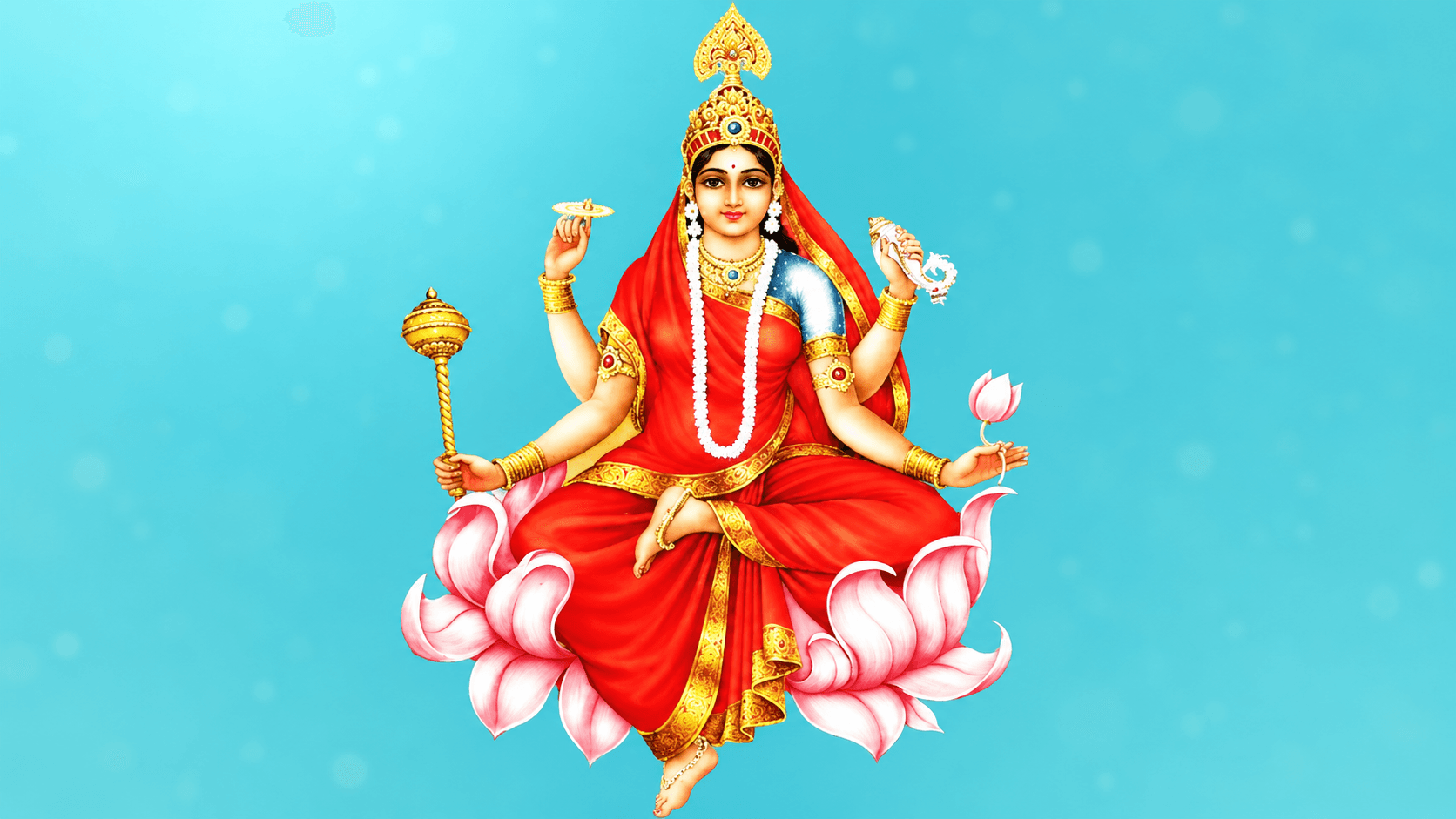
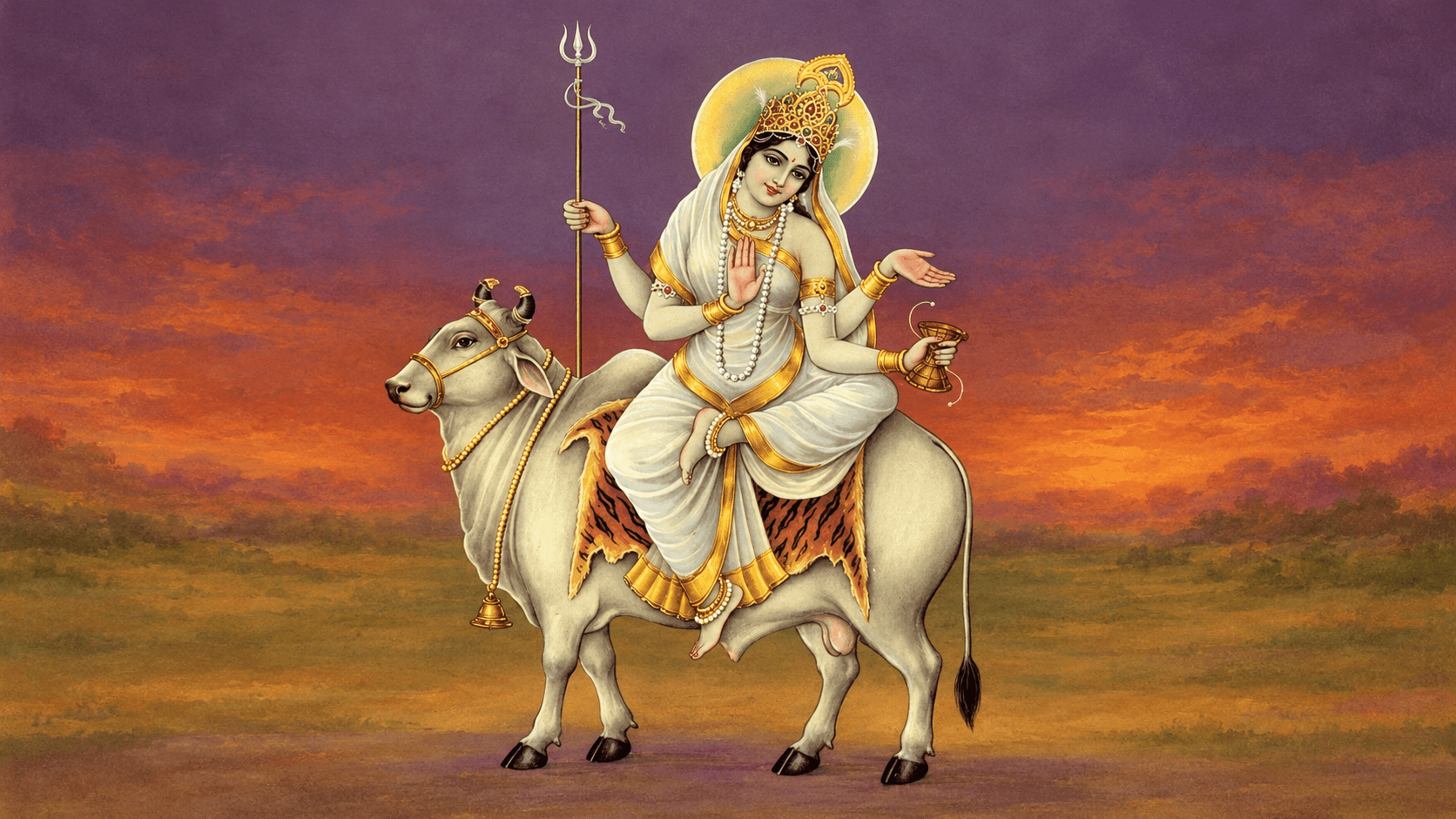
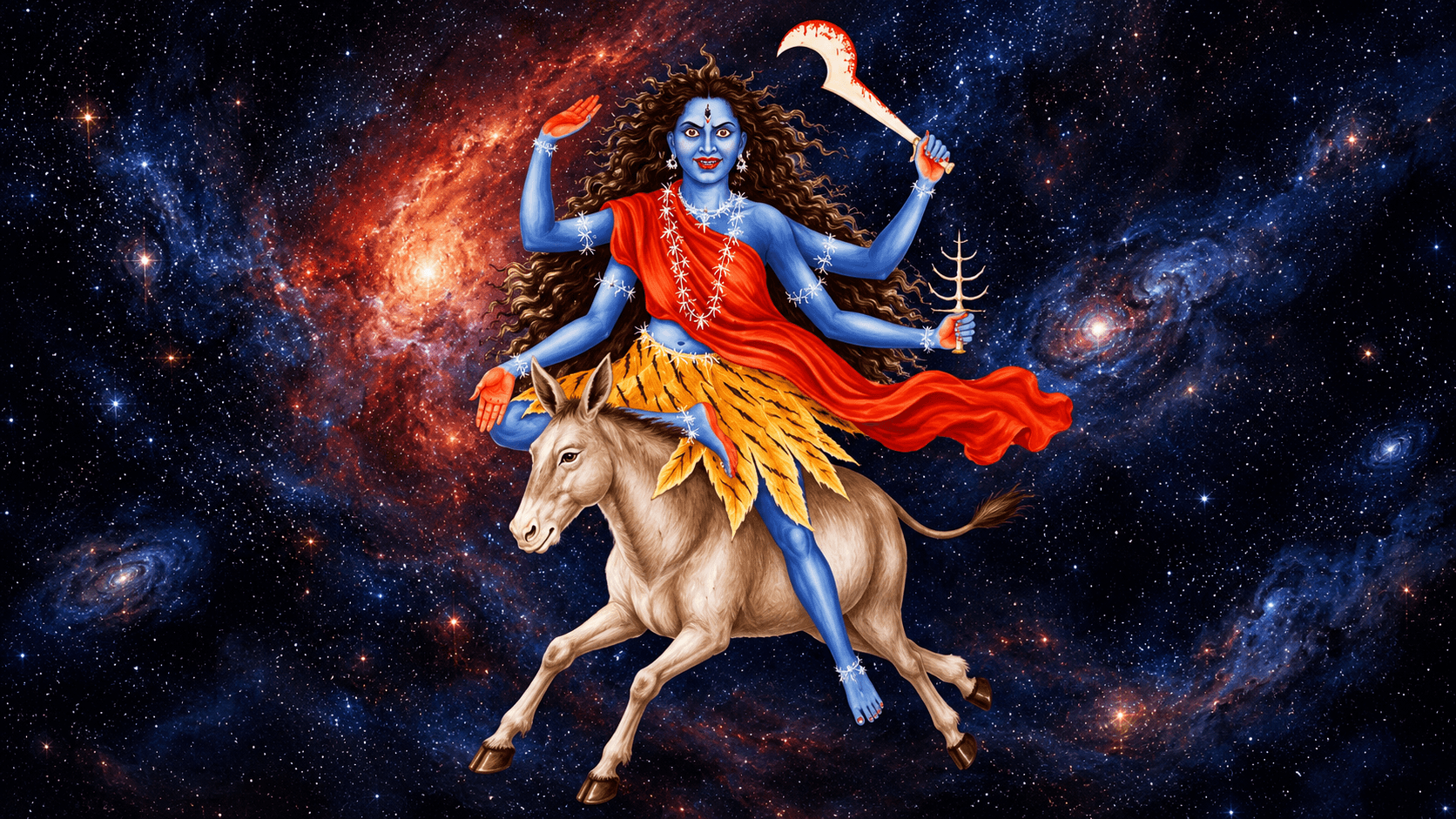
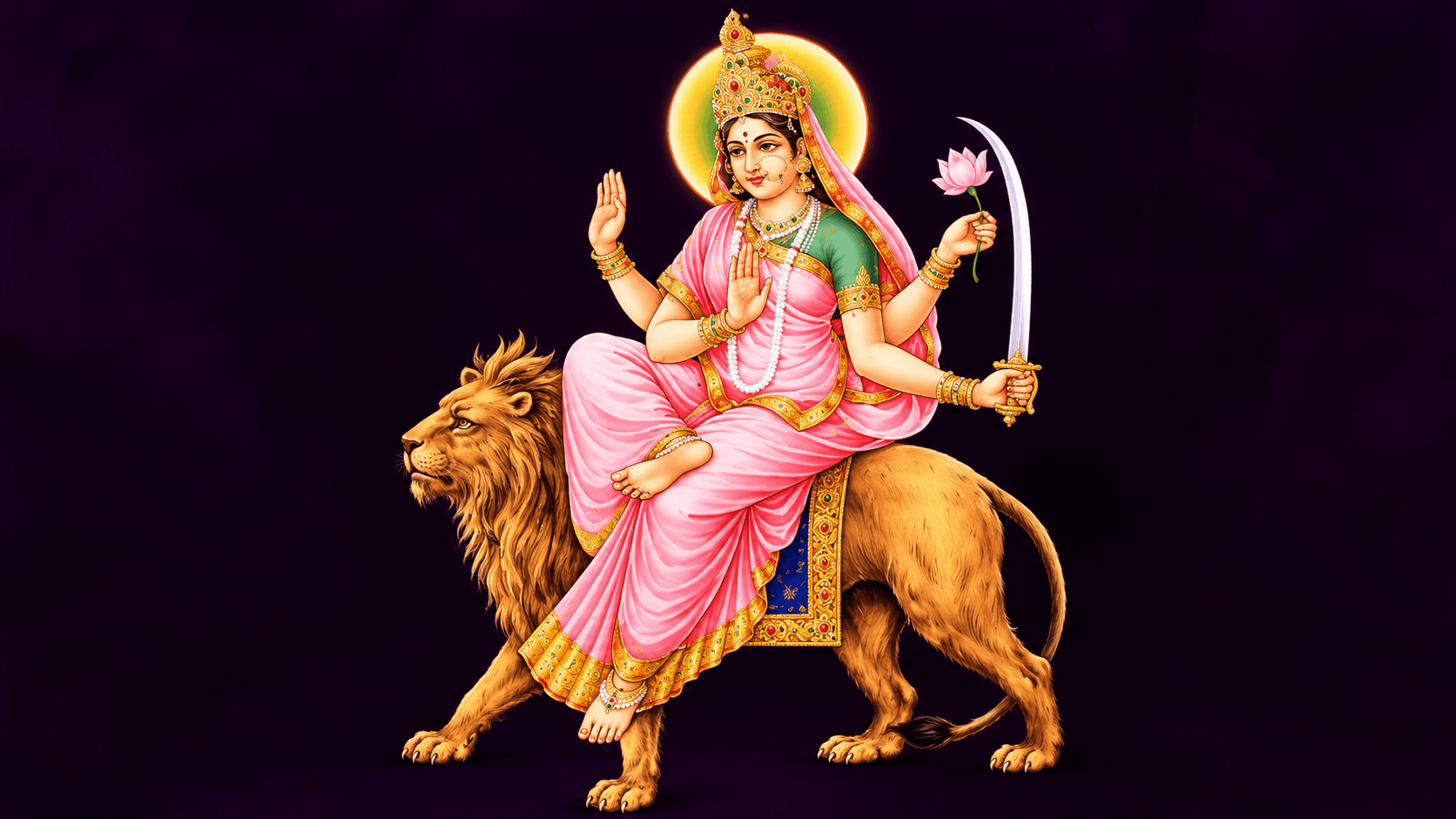
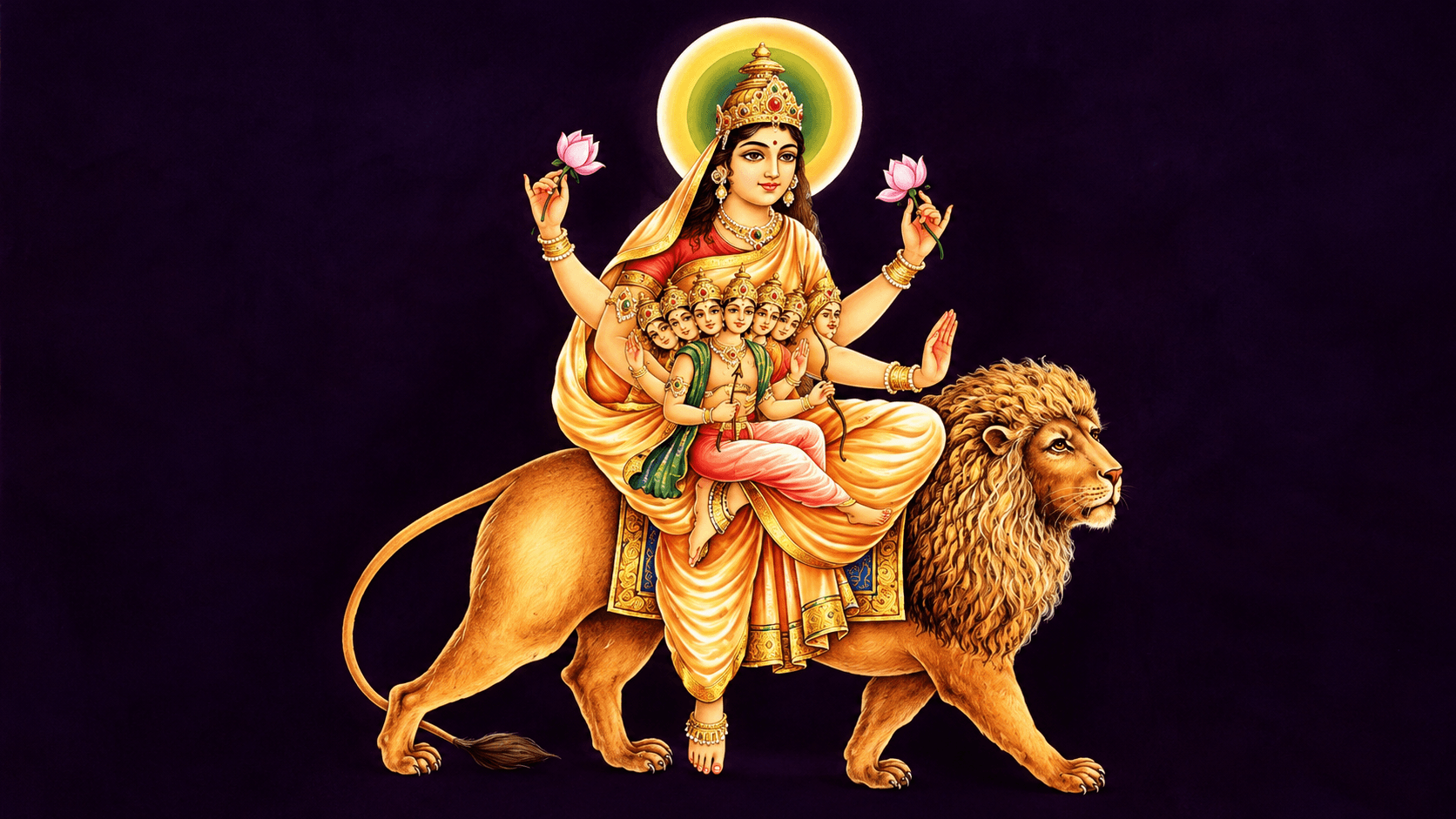
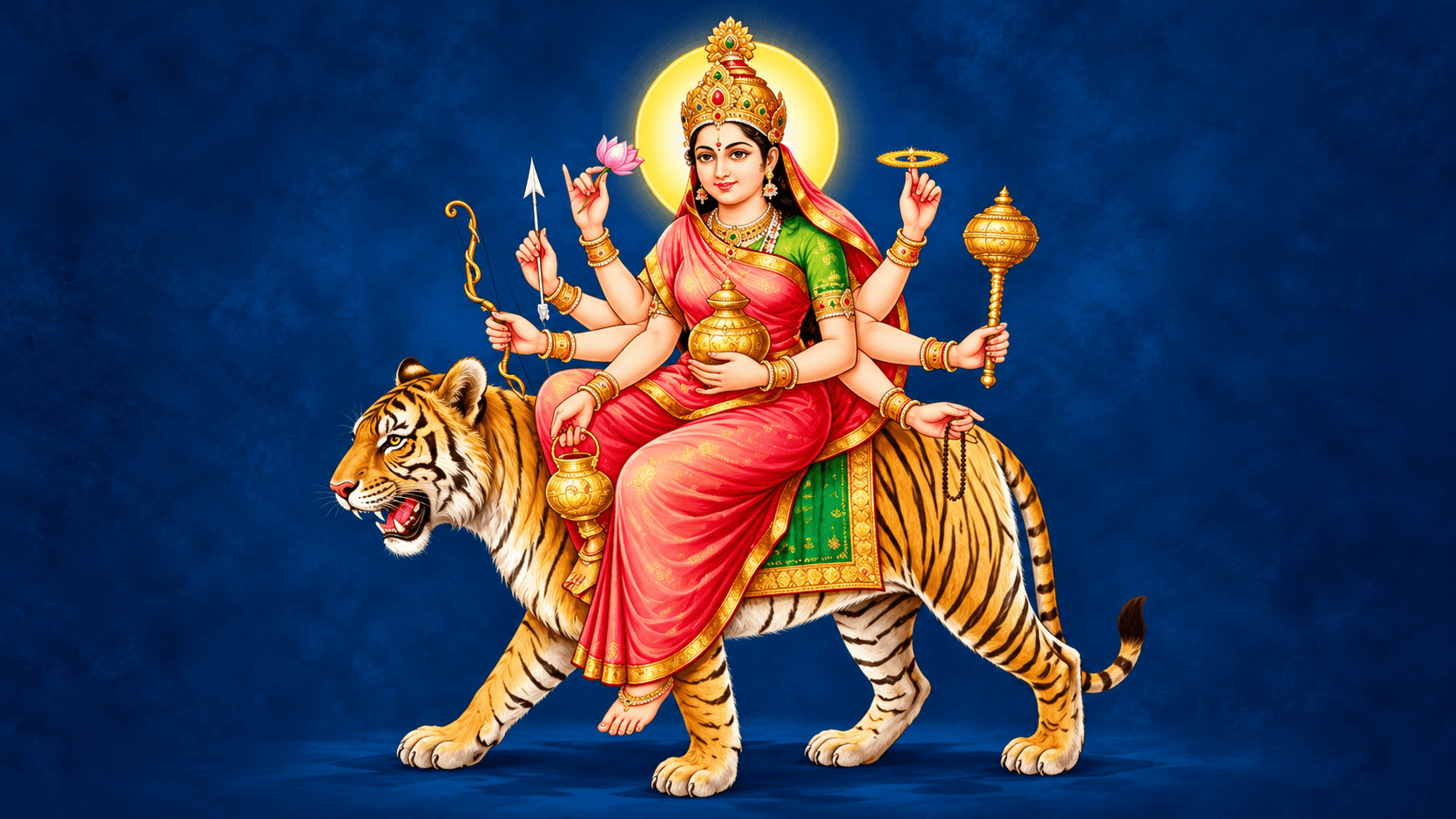
Vijayadashami, widely known as Dussehra, falls on the tenth day of the bright fortnight of Ashwin, immediately after the nine nights of Navaratri. The name itself carries deep meaning, Vijaya meaning victory and Dashami meaning the tenth day, together commemorating two glorious triumphs celebrated as one: Lord Rama's defeat of the demon king Ravana and Goddess Durga's defeat of the buffalo demon Mahishasura.
For devotees of Krishna consciousness, this day holds particular sweetness. Lord Rama is cherished as an avatar of Lord Vishnu Himself, descending to this world to establish dharma and to demonstrate, through His own conduct, the ideal of a devoted son, a loving husband and a righteous king. Vijayadashami therefore becomes an occasion not only for celebration but for genuine reflection on how one might carry these same qualities into their own life.
Vijayadashami 2026 Date & Muhurat
In 2026, Vijayadashami falls on Tuesday, 20 October, the day immediately following Maha Navami. The Vijaya Muhurat, considered the most auspicious window for beginning new ventures or performing Shami puja, typically falls in the afternoon hours of this day. However, devotees are encouraged to confirm the precise timing for their own city with a local panchang.
The Story of Lord Rama's Victory Over Ravana
The story of Lord Rama's victory over Ravana remains, to this day, the very soul of Vijayadashami, retold each year with devotion in our homes and temples.
The Battle and Rama's Triumph Over Ravana
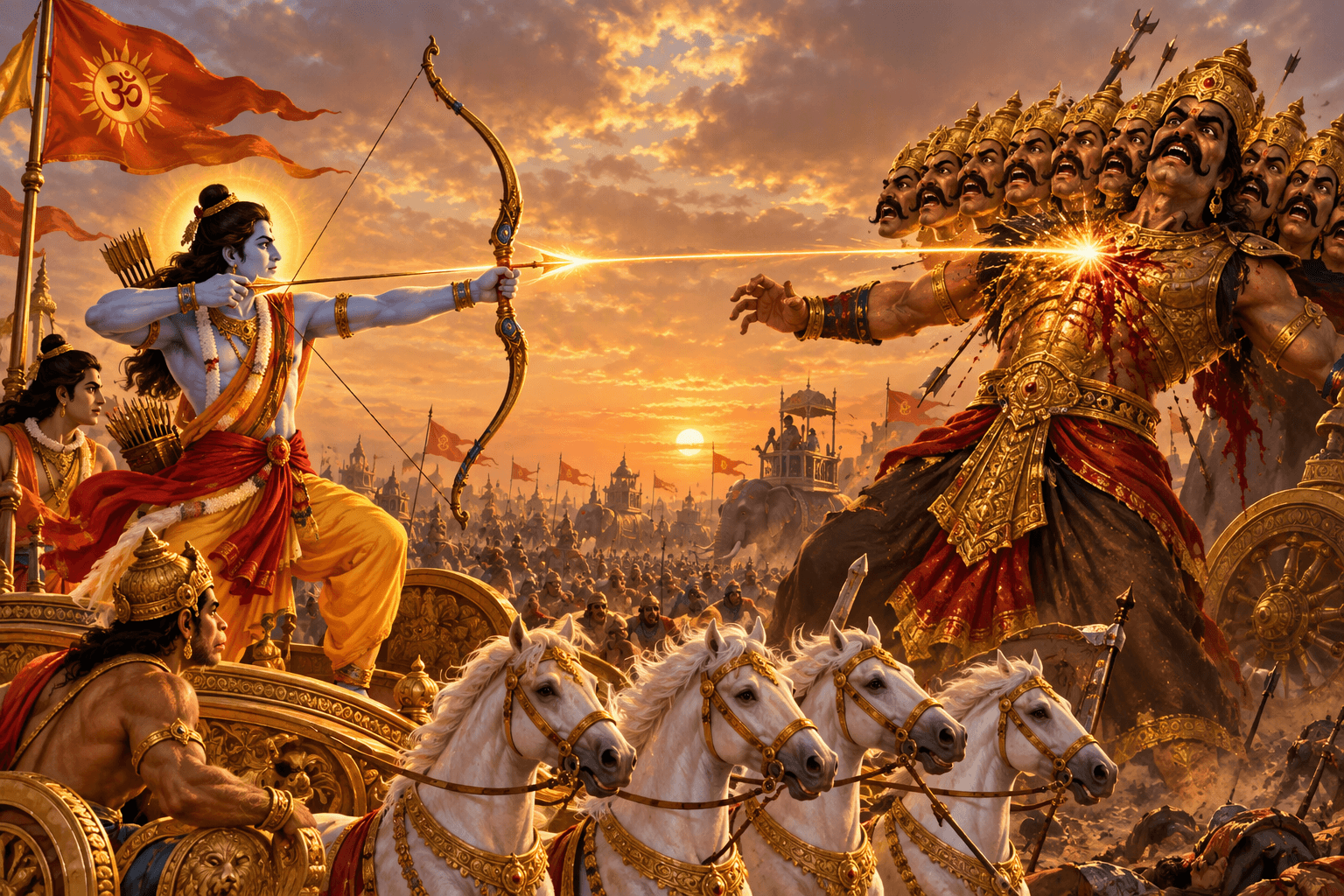
When the demon king Ravana abducted Sita and carried her away to Lanka, Lord Rama, accompanied by His devoted brother Lakshmana and the mighty Hanuman, gathered an army of vanaras to cross the ocean and rescue Her. What followed was a fierce battle upon the shores of Lanka, in which Ravana's ten heads and twenty arms proved no match for Rama's unwavering righteousness.
On the tenth day of this great battle, Rama finally released the decisive arrow that ended Ravana's reign of terror, freeing Sita and restoring peace to all the worlds.
Throughout the conflict, Lord Rama upheld dharma even in His dealings with Ravana. Before the final battle, He gave Ravana opportunities to return Sita and avoid further destruction, showing that Rama sought to uphold righteousness and peace before resorting to war. This restraint, shown even in the heat of war, is remembered by devotees as one of the most beautiful aspects of Lord Rama.
This is a reminder that true strength is always accompanied by compassion, even when facing one's fiercest opponent. Devotees who reflect on Lord Rama’s victory over Ravana each year find more than the story of good overcoming evil. The pastime shows how Lord Rama upheld truth, duty, compassion, and dharma even when faced with exile, loss, and the great battle against Ravana.
Symbolism of Ravana's Ten Heads
Ravana's ten heads are traditionally understood in two beautiful ways. Scholars describe them as representing his mastery of the four Vedas and six Shastras, a mark of his immense learning and intellect. Devotionally, however, they are more often seen as symbols of ten human vices: lust, anger, greed, attachment, arrogance, jealousy, injustice, cruelty, selfishness and ego, each of which overtakes the heart when devotion to truth is abandoned.
Rama's victory, then, becomes a gentle yet powerful reminder that even the most learned and powerful among us can fall when these vices are allowed to rule.
What makes Ravana such a compelling figure in this story is that he was never a simple villain devoid of virtue. He was a scholar and a devoted worshipper of Lord Shiva. Yet, all his learning could not save him once pride and desire governed his choices, a sobering reminder that knowledge and power alone are never enough without humility before the divine.
Goddess Durga's Victory Over Mahishasura
Vijayadashami also marks the culmination of Navaratri's own great story, the defeat of the shape-shifting demon Mahishasura by Goddess Durga after nine nights of fierce battle. Formed from the combined energies of the demigods to protect the three worlds, Durga's triumph on this very day runs as a beautiful parallel to Rama's victory, two stories of righteousness overcoming arrogance, united within the same joyful festival.
Why Vijayadashami Matters: Dharma Over Adharma
At its heart, Vijayadashami is a celebration of dharma prevailing over adharma, righteousness triumphing over that which opposes it. Both Rama and Durga did not act out of personal ambition but in defence of truth, humility and the wellbeing of the world, offering devotees a timeless lesson that genuine victory is never about domination, but about the unwavering strength of remaining true to one's values, however great the opposition may appear.
This understanding gives the festival a meaning that reaches far beyond mythology into the everyday life of every devotee. Each of us, in our own way, faces our own inner Ravana: moments of anger and pride or selfishness that threaten to overshadow our better judgement.
Vijayadashami gently invites us to pause each year and ask whether we, too, are choosing dharma over adharma in the small decisions of our daily lives. This day draws inspiration from Rama's example to walk on the path of truth.
How is Vijayadashami Celebrated Across India?
Across North India, elaborate Ramlila performances retell the Ramayana in the days leading up to Vijayadashami, culminating in the dramatic burning of towering Ravana effigies before joyous crowds.
In Mysuru, the day is celebrated as grand Dasara, with royal processions and beautifully decorated elephants parading through the city. In many households, the Shami tree is worshipped, and books, tools or vehicles are placed for blessing, honouring the day as an auspicious beginning for new ventures.
Wherever it is celebrated, Vijayadashami carries the same beautiful message beneath its many regional forms: that light, truth and humility always find their way through even the darkest of trials.
At ISKCON Bhiwandi, devotees gather for kirtan and discourse, reflecting on Rama's devotion and courage. You may explore more of our devotional reading on our ISKCON Bhiwandi blogs page.
In addition, if you want to start your devotional journey or learn more about Sri Sri Radha Madhava and Krishna Consciousness with ISKCON, view our courses on our website and dive deep into the meaning of human life.
FAQs
Why is Ravana's effigy burned every year?
Burning Ravana's effigy symbolises the destruction of evil and inner vice, marking the victory of dharma over adharma. The ritual, performed with great festivity across North India, serves as a public reminder for every devotee to let go of their own pride, anger and selfishness, as Ravana's outer form is consumed by the flames.
What's the difference between Dasara in South India and Dussehra in the North?
While both celebrate Vijayadashami, their expressions differ beautifully by region. In North India, Dussehra centres on Ramlila performances and the dramatic burning of Ravana's effigy. In South India, particularly in Mysuru, Dasara is celebrated with royal grandeur, processions, classical arts and the worship of Goddess Chamundeshwari, placing greater emphasis on Durga's victory over Mahishasura.